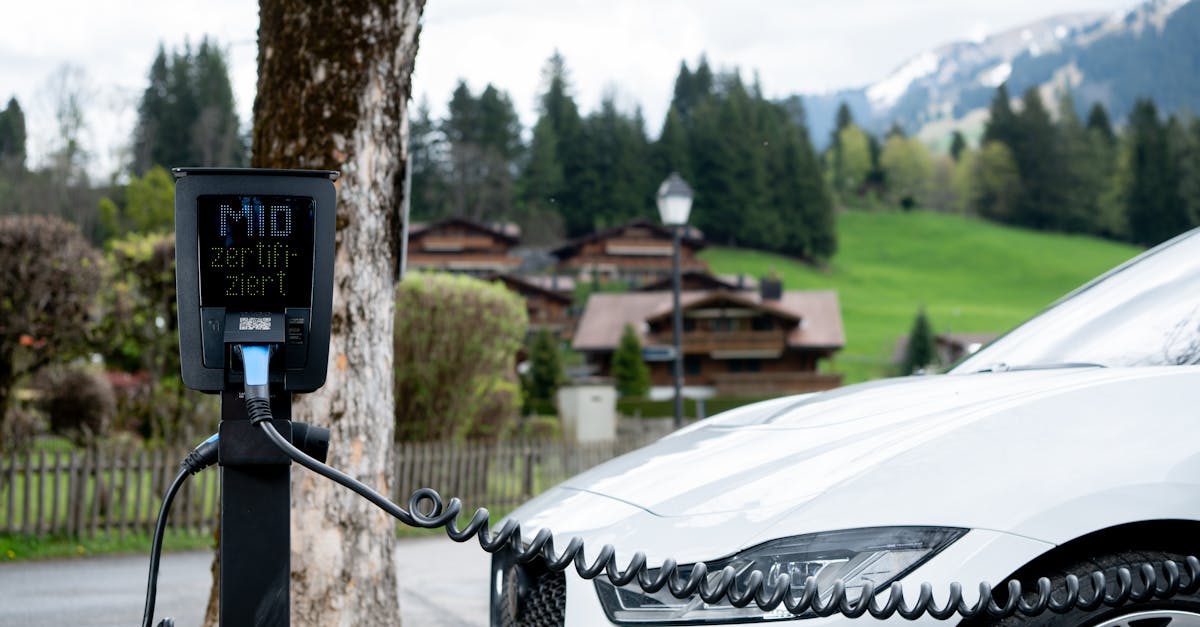
Stop Blowing Money On Public EV Charging
— 5 min read

Direct answer: The cheapest and most convenient way to fuel your electric car every day is to install a home charging station.
Home charging lets you control costs, avoid idle-time at busy stations, and treat your EV like any other household appliance.
Why Home Charging Beats Public Stations
In 2023, EV owners who charged at home saved an average of $1,200 per year compared to those relying on public stations. Think of it like cooking at home versus ordering takeout every night - home-cooked meals cost far less and you get to choose the ingredients.
"I saved over $1,500 by using a portable EV charger at home," says a New York Times reader who switched from public stalls to a garage-mounted unit.
When I first bought my EV, I was tempted by the glowing map of public chargers across the city. After a month of juggling parking permits, waiting in line, and paying premium rates, I realized I was throwing money away. Installing a Level 2 charger in my garage turned the experience around: overnight charging became as easy as plugging in a phone, and my electricity bill stayed predictable.
Home charging also offers reliability. Public stations can be out of service, hidden behind construction, or simply occupied. By contrast, a home charger is there whenever you need it - no reservation needed.
Understanding Your Home Charging Setup
Key Takeaways
- Home chargers cost $500-$1,200 upfront.
- Federal and state incentives can cut installation price.
- Level 2 chargers top out at 7.2 kW, perfect for overnight.
- Portable chargers are a budget-friendly alternative.
- Proper wiring avoids future upgrade costs.
Setting up a home charger is a bit like installing a new dishwasher. You need a dedicated circuit, a reliable power source, and a professional to do the wiring. Here’s the step-by-step rundown I followed:
- Assess your electrical panel. Most homes need a 240-volt circuit for Level 2 charging. I hired an electrician to verify that my panel could handle an extra 40-amp breaker.
- Choose the charger type. Level 1 chargers use a standard 120-volt outlet and charge slowly - good for occasional trips. Level 2 chargers use 240 V and refill a typical EV in 4-6 hours. I opted for a Level 2 wall box because I drive 50-60 miles daily.
- Apply for incentives. The Charging Incentives & Rebates: How to Save on Installation and Energy helped me snag a $500 state rebate and a $300 federal tax credit.
- Install the hardware. The electrician mounted the wall box, ran the conduit, and performed a safety inspection.
- Set up smart features. Modern chargers let you schedule charging during off-peak hours, track energy use, and even integrate with home solar panels.
Pro tip: If you rent, a portable Level 2 charger plugged into a 240-V outlet (often found in laundry rooms) can be a cheaper, non-permanent solution - just like I did before moving into a house.
Public Charging Costs: What You’re Really Paying For
Public charging stations often advertise “free” or “cheap” rates, but the fine print tells a different story. Think of it like a gym membership that lures you with a free trial, then tacks on per-visit fees once you’re hooked.
In Australia, EV purchases surged as drivers fled rising fuel prices, yet many still rely on public chargers that charge $0.30-$0.50 per kWh - roughly double the residential rate. Even “free” stations recoup costs through advertising or subscription models.
When I tried a popular city-wide network, I was shocked to see a $5 session fee plus $0.45 per kWh. After a 30-minute top-up, the bill matched the cost of a decent dinner. Over a month, those small charges add up to hundreds of dollars.
Other hidden expenses include:
- Idle fees for staying plugged in after the car is full.
- Subscription plans that lock you into higher rates.
- Travel time lost while waiting for an available spot.
All of these erode the environmental and financial benefits of driving electric.
Comparing Home vs Public: The Bottom Line
| Metric | Home Charging | Public Charging |
|---|---|---|
| Average Cost/kWh | $0.13 (U.S. residential average) | $0.40-$0.55 |
| Installation/Setup Cost | $500-$1,200 (one-time) | $0 (but per-use fees apply) |
| Time to Full Charge | 4-6 hours (Level 2) | 30-45 minutes (DC fast) |
| Convenience | Plug in overnight, forget it | Locate station, pay, wait |
| Reliability | 99% (your garage) | Varies; outages common |
When you run the numbers, home charging emerges as the clear winner for everyday drivers. Public stations shine for long trips or when you’re away from home, but they should be a backup, not your primary fuel source.
How to Save Big on Home Charging
Just as you’d time-shift your dishwasher to run at night, you can charge your EV when electricity rates are lowest. Many utilities offer time-of-use (TOU) pricing - cheaper after 10 p.m.
Here’s the simple plan I use:
- Enroll in a TOU rate. My utility reduced my nightly rate to $0.09/kWh.
- Set a timer on the charger. Most Level 2 units let you schedule a start time. I program mine to begin at 11 p.m.
- Monitor with a smart app. The app shows real-time usage and alerts if you exceed a budget threshold.
- Pair with solar if possible. If you have rooftop panels, charge during daylight to use free solar energy.
Pro tip: If you qualify for a federal tax credit, claim up to 30% of the equipment cost on your 2024 tax return. This can shave several hundred dollars off the sticker price.
Another money-saving hack is to use a portable charger for occasional trips, as demonstrated in the I Saved Over $1,500 by Using a Portable EV Charger at Home. The author reported a $1,500 annual savings by avoiding expensive public stations.
Common Misconceptions About Public EV Charging
My friends often say, “Public chargers are free, so why bother with home installation?” The reality is more nuanced.
- Myth: All public stations are free.
Fact: Only a handful of municipalities provide truly free charging; most charge per kWh or per minute. - Myth: Fast chargers are always cheaper per mile.
Fact: Fast chargers cost more per kWh, even though they refill quicker. The extra speed rarely offsets the price. - Myth: Public stations are always available.
Fact: Urban areas see 30-40% occupancy during peak hours, leading to “charging-station traffic jams.”
When I finally switched to home charging full-time, I stopped worrying about spot availability, saved over $1,000 in the first year, and regained the peace of mind that made me love my EV in the first place.
FAQ
Q: How much does a home EV charger cost?
A: A Level 2 home charger typically ranges from $500 to $1,200 for the unit, plus $300-$800 for installation. Incentives and rebates can lower the total outlay by up to $800.
Q: Are public EV chargers really free?
A: Only a few city-run stations offer free charging. Most networks charge $0.30-$0.55 per kWh or impose a per-session fee, making them more expensive than home electricity.
Q: Can I claim a tax credit for installing a charger?
A: Yes. The federal EV charger tax credit covers up to 30% of the equipment and installation costs, with a maximum credit of $1,000, subject to annual limits.
Q: What’s the best time of day to charge?
A: Charge during off-peak hours, typically between 10 p.m. and 6 a.m., when utilities lower rates. Many chargers let you schedule automatically, ensuring you never miss the cheap window.
Q: Do portable chargers work for long trips?
A: Portable Level 2 chargers are great for occasional trips to hotels or workplaces with 240 V outlets, but for long highway journeys you’ll still need fast public stations.